The Second-Year CEO: How Early Exposure is Redefining Student Ambition
Blog post description.
CAREER & PERSONAL DEVELOPMENT
11/3/20254 min read
The Second-Year CEO:
How Early Exposure is Redefining Student Ambition
By Dr. Hanif Lakdawala
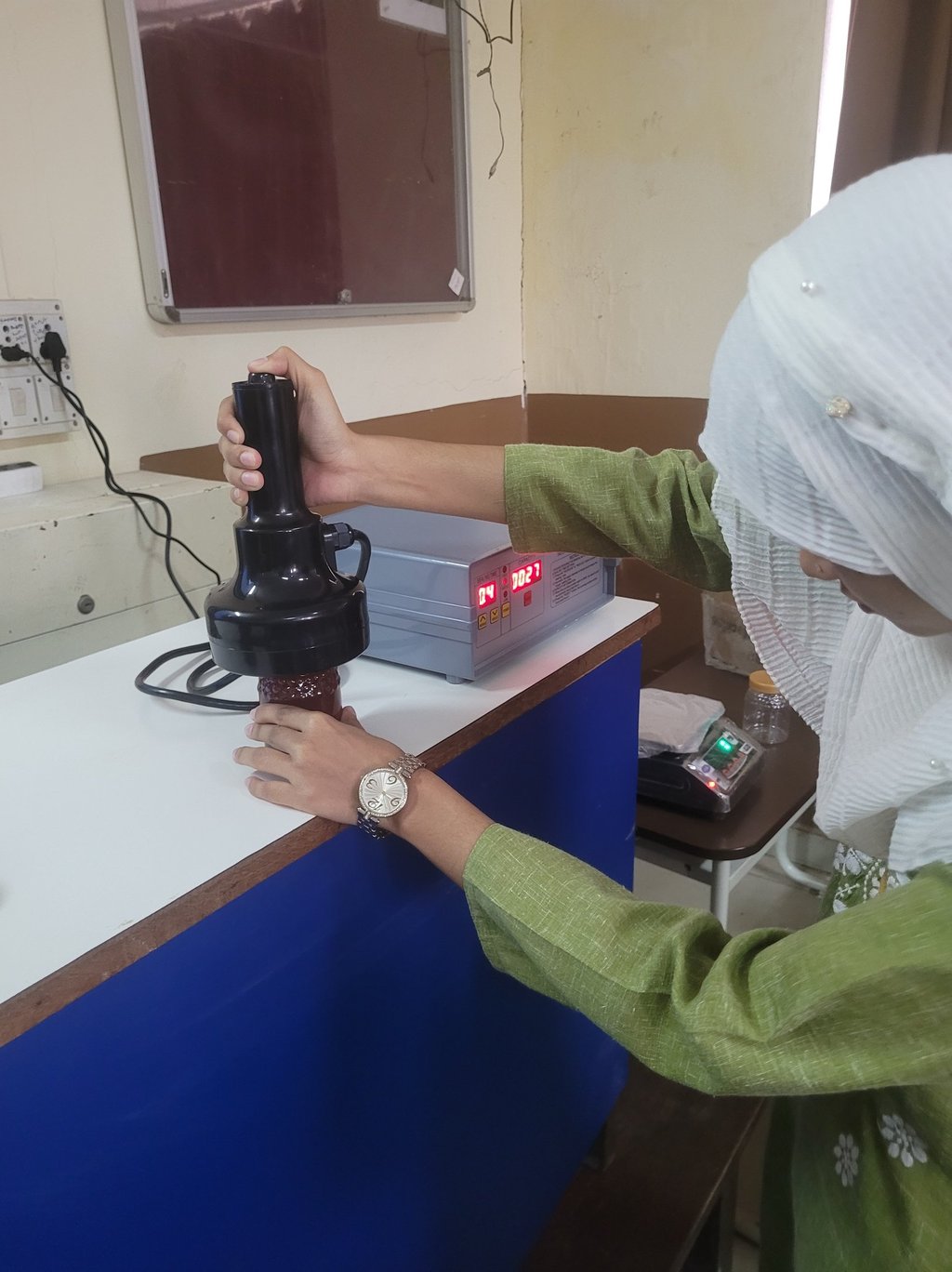
On a typical Monday morning, most college students in Mumbai are preoccupied with attendance sheets, assignments, and deadlines. But not 19-year-old Almas Patel, a second-year BMS student at A.P. College. While her classmates rush to lectures, Almas is tracking her latest batch of customer orders — handmade natural skincare kits she sells online under her self-created brand “PeelCulture.” Her start-up began as a class project in an for marketing subject but soon grew into a real business.
“It started as an idea for my project, “Almas says with a smile. “But once we saw people actually buying our product, we realized — why wait till graduation to start something real?”
Almas is not an exception. Across Mumbai’s colleges, a quiet revolution is unfolding. A new generation of students — some still in their second year — are embracing entrepreneurship not as a distant dream but as a parallel pursuit to their education.
These are The Second-Year CEOs — young founders balancing timetables and business plans, navigating lectures in the morning and customer calls in the afternoon.
From Classrooms to Commerce: A Shift in Mindset
For decades, the college-to-corporate route was clear: graduate, get placed, and work your way up. But the equation is changing rapidly. Today’s students, especially Gen Z, see entrepreneurship as both achievable and desirable.
India’s start-up ecosystem, now the world’s third-largest, has made entrepreneurship aspirational. According to data from Start-up India, the number of campus-based incubators and entrepreneurship cells has doubled in the past five years, with Maharashtra leading the surge. In Mumbai, where every second café conversation seems to revolve around a new business idea, colleges like Jai Hind, Somaiya, UPG (Mithibai Campus), and Akbar Peerbhoy College are actively fuelling this trend.
Early Exposure, Early Confidence
What’s driving these student CEOs to start so early? The answers lie in exposure and empowerment.
Social media has made success stories more visible — from Shark Tank India pitches to YouTube creators turning side hustles into full-fledged brands. Meanwhile, digital tools like Canva, Shopify, and ChatGPT have removed barriers that once limited business creation to professionals.
The Hustle of a Student CEO
Running a business while studying isn’t as glamorous as it sounds. Between lectures, exams, and supplier calls, most student entrepreneurs admit that time management is their toughest challenge. “I attend lectures from 8:30 to 12:30, then work on my orders till evening,” says Almas “My professors are supportive, but I have to plan my week like a CEO.” Yet, this balancing act itself becomes part of the learning. These young founders are developing skills that can’t be taught in textbooks — negotiation, budgeting, customer service, and resilience. For colleges, this is a powerful validation: practical entrepreneurship is the ultimate soft skills training.
From Grades to Growth Mindsets
The rise of the Second-Year CEO signals something profound: the mindset of Indian youth is shifting from employment-seeking to value-creating. Starting a business in college is no longer seen as risky or unrealistic — it’s seen as smart. It teaches accountability, creativity, and perseverance at an age when most are still figuring out their career paths.
As one Jai Hind student put it: “Even if my start-up fails, I’ll graduate with the confidence that I can start again. That’s something no textbook can teach.”
For previous generations, the path to the executive suite was a decade-long climb, beginning with a post-graduate entry-level job. Today’s second-year students view this trajectory as needlessly slow. This generation views the corporate ladder not as a necessary climb but as a potential trap. They prioritize the freedom to set their own hours, work remotely, and align their projects with their personal values—qualities that a traditional entry-level job rarely offers.
This cultural shift is amplified by the sheer accessibility of the tools of the trade. Building a minimum viable product (MVP) once required significant capital and technical expertise; today, no-code platforms, affordable cloud services, and open-source software mean a student can launch a functional, revenue-generating service from their dorm room with an initial investment of under Rs 50,000
"The barrier to entry for innovation has been lowered to the cost of a good Wi-Fi connection. They are unburdened by the financial and geographic constraints that limited previous generations. If you can launch an e-commerce site on Shopify, you’ve fundamentally bypassed the need for a bank loan or a corporate partner to test your market.
What’s Next
The challenge now is to keep up this momentum. Colleges must continue to provide structured mentorship, access to small funding, and platforms where students can test their ideas safely. Events like LaunchPad Live at Akbar Peerbhoy or Entrepreneurship Weeks at UPG show that experiential learning can transform academic spaces into entrepreneurial ecosystems.
If the last decade was about start-up founders emerging from IITs and IIMs, the next wave might just come from second-year undergraduates in Mumbai’s commerce and arts colleges. Tomorrow’s CEOs won’t just graduate from universities — they’ll be running businesses before graduation. That’s the new definition of ambition.
Closing Thought
As Mumbai’s classrooms evolve into launchpads, a new generation is rewriting what success looks like. The Second-Year CEO represents more than early ambition — it represents a cultural shift toward creation, courage, and self-belief. And perhaps, in every classroom, another future founder is already sketching a logo in the back of a notebook — not just dreaming of a job, but designing a brand.
The Second-Year CEO is more than a fleeting trend; it is a structural realignment of how the next generation views the intersection of learning, work, and impact. Their college years are no longer a waiting period—they are the most critical, resource-rich, and opportunity-laden launch window they will ever have. The corporate world is readying itself for an influx of young talent who won't be looking for their first job, but for their first acquisition. The future of industry is being built not in boardrooms, but in dorm rooms, right now.