Why Society Must Back Student-Led Start-ups
In a world obsessed with unicorns and IPOs, it’s easy to overlook the quiet revolution brewing in college dorms, cafeterias, and campus incubators. Student-led start-ups—often dismissed as naïve experiments—are rapidly becoming engines of innovation, social change, and economic resilience. Yet, despite their potential, they remain underfunded, under-mentored, and underappreciated.
ENTREPRENEURSHIP & BUSINESS GROWTH
11/13/20254 min read
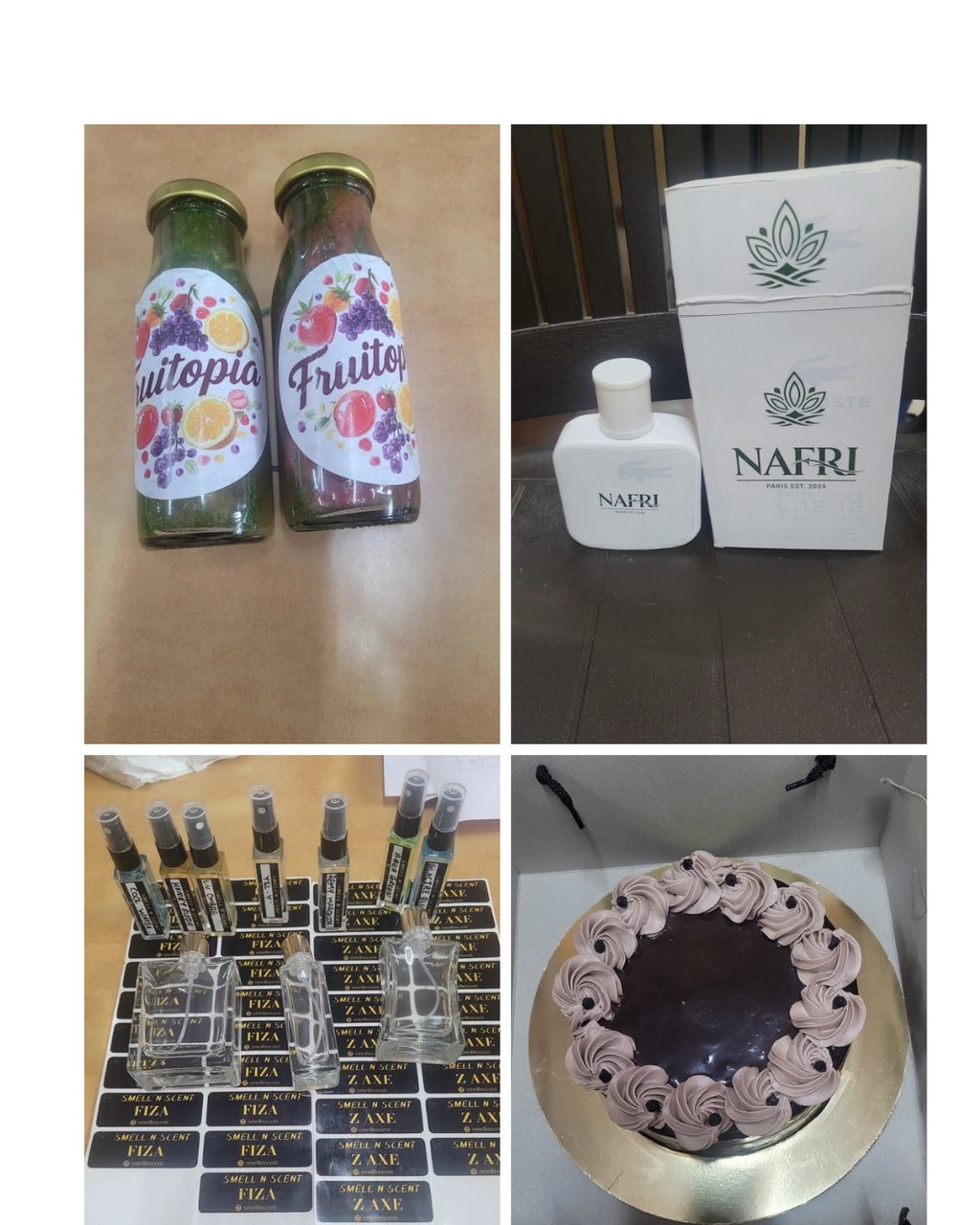
Society must normalize micro-grants, angel support, and crowdfunding for student founders.
Why Society Must Back Student-Led Start-ups
In my years of mentoring young founders and designing entrepreneurship programs across India and the UAE, I’ve witnessed a powerful truth: some of the most disruptive ideas are born not in boardrooms, but in college corridors.
Student-led start-ups are no longer side projects—they are serious ventures tackling real-world problems with urgency, creativity, and courage. Yet, despite their promise, these ventures often struggle to find the support they need to survive their earliest, most fragile stages.
I believe it’s time for society to step up—not just to cheer from the side-lines, but to actively invest in the next generation of builders.
In a world obsessed with unicorns and IPOs, it’s easy to overlook the quiet revolution brewing in college dorms, cafeterias, and campus incubators. Student-led start-ups—often dismissed as naïve experiments—are rapidly becoming engines of innovation, social change, and economic resilience. Yet, despite their potential, they remain underfunded, under-mentored, and underappreciated.
It’s time for society—educators, investors, corporates, and policymakers—to recognize that backing student entrepreneurs isn’t charity. It’s strategy.
The Data: The Scale of the Micro-Boom
The trend is not just anecdotal; it's backed by numbers that illustrate its scale and impact.
Global Phenomenon: A Survey by Intuit found that 64% of Gen Z are interested in starting their own business, with a significant portion starting before the age of 24.
The Digital Storefront: Platforms like Instagram, WhatsApp, and Etsy have demolished entry barriers. In India alone, thousands of small businesses are registered on platforms like Meesho and Shopify, many run by students and young adults.
A Laboratory for Skills: Running a micro-business is a crash MBA. They learn marketing on Instagram, finance by managing costs, customer service by handling queries, and resilience by navigating setbacks.
A 2023 report by GitHub found that over 80% of young entrepreneurs believe their venture has taught them more practical skills than their formal education.
The Untapped Potential of Student Founders:
Backing student-led start-ups isn’t just about nurturing the next Flipkart or Zerodha. It’s about cultivating a generation of problem-solvers, risk-takers, and systems thinkers. These are the leaders who will shape industries, redefine work, and tackle global challenges.
Consider this:
Student founders are agile: They pivot fast, learn faster, and build lean.
They’re values-driven: Many prioritize impact over profit, embedding sustainability, inclusion, and ethics into their business models.
They build community: Student ventures often emerge from collaboration, not competition—fostering ecosystems rather than empires.
Supporting them means investing in a mindset, not just a market.
Colleges Are Trying—But Can’t Do It Alone
Across India, colleges like Jai Hind, UPG, Somaiya Vidyavihar, and Akbar Peerbhoy college are stepping up. They’re launching incubators, hosting pitch competitions, and inviting industry mentors. But institutional support has limits.
Faculty often lack start-up experience. Funding is scarce. And bureaucratic hurdles slow down innovation.
This is where society must step in. Society must support micro start-ups
Backing student-led start-ups isn’t just about writing cheques. It’s about creating an ecosystem of belief. Here’s what that looks like:
Mentorship That Meets Them Where They Are: Students need mentors who understand their context—not just seasoned CEOs, but empathetic guides who can help them navigate self-doubt, team dynamics, and early-stage chaos.
Micro-Funding with Macro Impact: Even ₹50,000 can be transformative for a student venture. It can fund a prototype, a website, or a pilot campaign. Society must normalize micro-grants, angel su: Students need more than lecture halls. They need maker labs, co-working zones, and start-up cafés where ideas can collide and evolve. Cities and corporates can co-create these spaces.
Be a Customer, Not Just a Cheerleader: Liking a post is good; making a purchase is transformative. Start small—order those cookies, hire that student for a freelance design project, buy that handmade jewellery as a gift.
Provide Constructive Feedback, Not Just Praise: If you love the product, tell them why. If something could be improved, offer gentle, constructive feedback. This is the mentorship they truly need.
Amplify Their Voice: Share their work on your social media stories. Word-of-mouth remains the most powerful marketing tool for a micro-business. A simple "I bought this from a fantastic young entrepreneur, check them out!" can open floodgates.
Be Patient and Supportive: They might not have the logistics of Amazon. A delivery might be a day late. Communicate expectations, but also offer grace. They are learning in real-time.
Media, educators, and influencers must spotlight student founders—not just when they succeed, but while they’re building. Visibility breeds validation.
What’s Holding Us Back?
Despite the promise, skepticism persists. Common myths include:
“Students aren’t serious.”
“They’ll abandon the start-up after college.”
“They lack business acumen.”
These assumptions ignore the reality: many successful founders started young. From Ritesh Agarwal (OYO) to Tilak Mehta (Papers N Parcels), youth has never been a barrier to brilliance.
What’s truly missing is trust—and the willingness to bet on potential over pedigree.
The Future We Could Build
Imagine a society where:
Every college has a funded incubator.
Every student with an idea finds a mentor.
Every city hosts youth startup expos.
Every corporate adopts a student founder.
Every policymaker includes youth entrepreneurship in national strategy.
Your Next Purchase is a Vote
Every time we open our wallets, we cast a vote for the kind of world we want to live in. Do we want a monolithic, impersonal marketplace, or a vibrant, diverse, and human-centric economy?
The next time you need a gift, a service, or a unique product, pause. Before you click "Buy Now" on a giant e-commerce platform, take a moment to search for a local, youth-led micro-business. That simple, conscious choice does more than just get you a product. It fuels a dream, validates an education, and strengthens the very fabric of our entrepreneurial spirit.